12 Jul 2026
Transaction Pathways Enabling Bonus Eligibility in Affiliate-Mediated Mobile Table Games
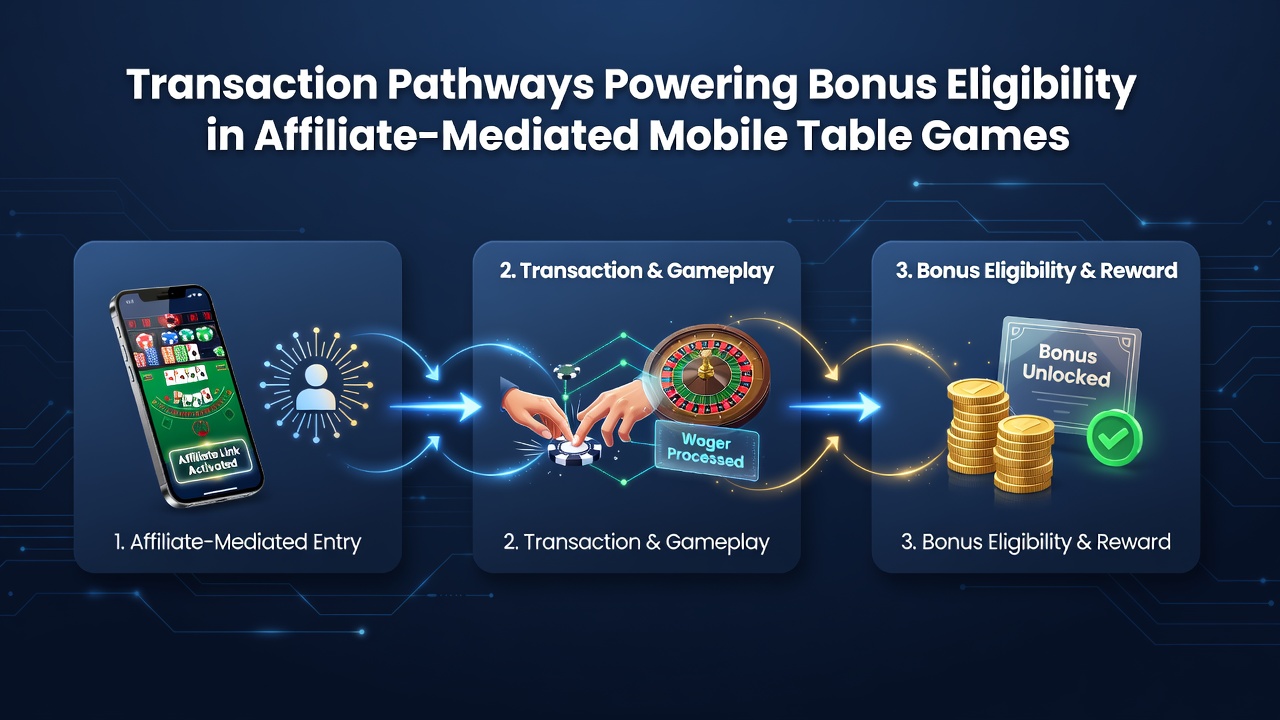
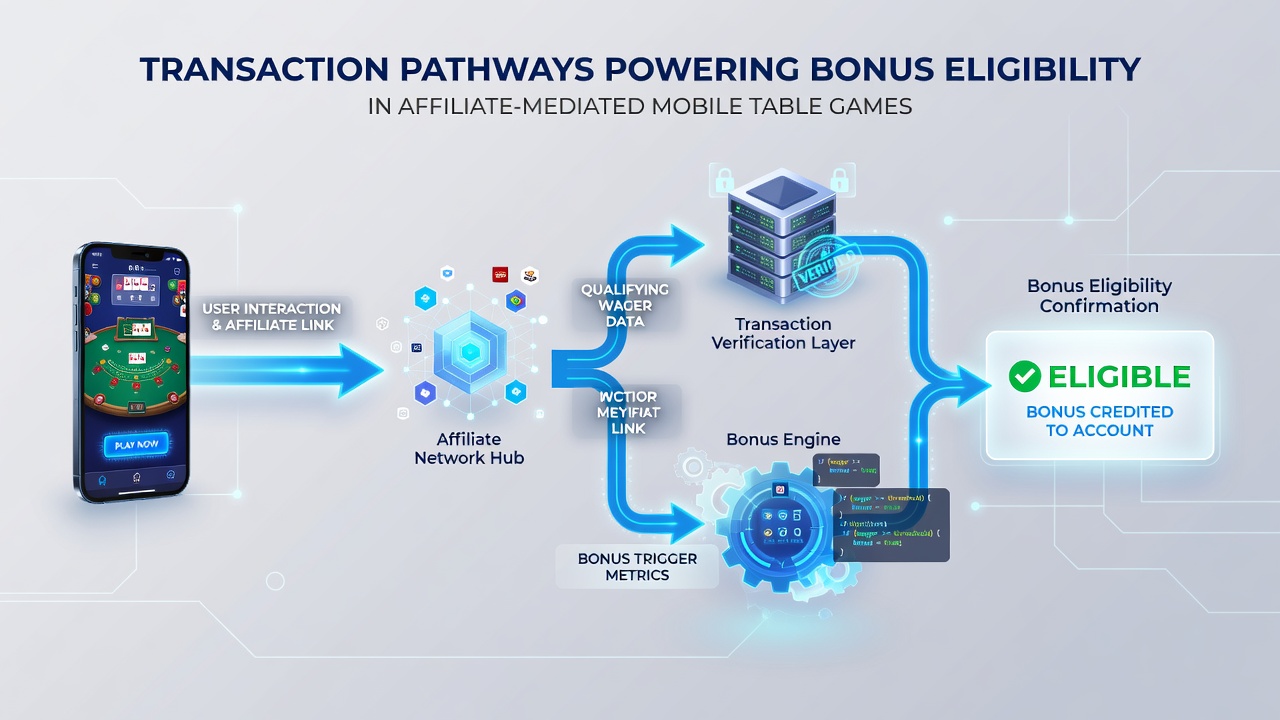
Transaction pathways in affiliate-mediated mobile table games connect payment processing systems directly to bonus eligibility mechanisms, allowing players to access rewards through structured financial routes established between operators and affiliate networks. These pathways rely on secure data exchanges that verify deposits, track gameplay, and release bonuses without interrupting the mobile experience. Observers note that such systems have grown more sophisticated as mobile table games like blackjack and roulette expand across regulated markets.
Core Components of Transaction Pathways
Payment gateways serve as the foundation, routing funds from player accounts through affiliate-tracked channels to operator servers, where eligibility checks occur in real time. Research indicates that these gateways use API integrations to confirm transaction details including amount, timing, and source before bonus codes activate. Data from industry reports shows that mobile platforms process over 70 percent of table game transactions via digital wallets and instant bank transfers, reducing latency compared to traditional card methods.
Affiliate networks insert tracking parameters into these pathways, ensuring that referred players receive tailored bonus offers based on their deposit history. When a transaction completes, the system cross-references affiliate identifiers with operator rules to determine if criteria such as minimum deposit thresholds or game type selections have been met. Experts observe that this linkage prevents duplicate claims and maintains compliance with jurisdictional requirements.
Mobile-Specific Integration Points
Mobile table games demand seamless transaction flows because players expect instant access on devices with varying network conditions. Developers incorporate encrypted tokenization during payment initiation, which preserves user data while allowing affiliate systems to log eligibility events. Studies from gaming technology firms reveal that optimized pathways cut processing times to under three seconds for most bonus triggers in live dealer environments.
Geolocation services further refine these routes by validating player locations before funds move forward, a step required in regions with strict licensing. In July 2026, several operators updated their mobile frameworks to include enhanced biometric verification within transaction sequences, strengthening bonus eligibility checks without adding friction for users. According to figures from the American Gaming Association, mobile table game revenue in regulated U.S. states grew 18 percent year-over-year through mid-2026, driven partly by improved payment-affiliate linkages.
Bonus Eligibility Triggers and Compliance
Eligibility activates when transaction data matches predefined rules stored in operator databases, such as deposit frequency or specific table game participation. Affiliates receive performance reports generated from these same pathways, detailing which referrals converted into eligible bonus users. The New Jersey Division of Gaming Enforcement publishes quarterly summaries that document rising use of integrated payment systems in mobile casino operations, noting consistent adherence to consumer protection standards.
Security protocols embedded in the pathways include fraud detection algorithms that flag irregular transaction patterns before bonuses release. Researchers at academic institutions studying digital gaming economies have documented how these safeguards reduce chargeback rates by approximately 25 percent in affiliate-driven mobile segments. Operators maintain audit logs that trace every step from initial click through final bonus credit, supporting both regulatory oversight and affiliate compensation calculations.
Regional Variations in Pathway Design
Different jurisdictions shape transaction pathways according to local banking regulations and gaming statutes. In Canadian provinces with licensed mobile offerings, pathways often incorporate Interac e-Transfers that feed directly into eligibility engines managed by affiliate partners. European operators, guided by frameworks from the European Gaming and Betting Association, emphasize responsible gaming checks embedded at multiple points along the payment route.
Australian market participants follow similar patterns, with transaction systems aligning to state-based requirements that monitor bonus usage in real time. These variations demonstrate how core technology adapts while preserving the fundamental connection between financial movement and reward access.
Conclusion
Transaction pathways continue to underpin bonus eligibility across affiliate-mediated mobile table games by linking payment execution with verification protocols. As mobile adoption rises and regulatory environments evolve through 2026, these systems maintain operational integrity through layered security and precise data handling. Industry participants rely on such infrastructure to sustain compliant growth in table game segments worldwide.